
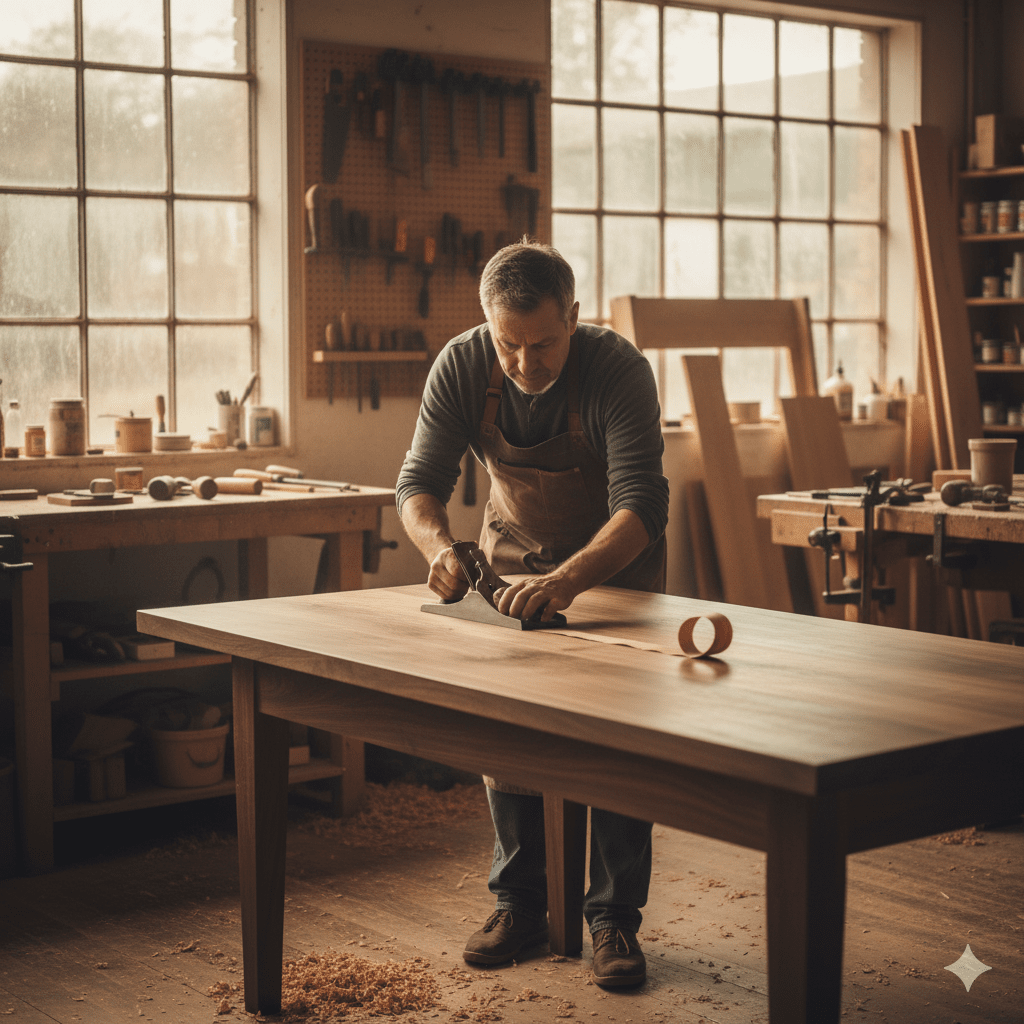
In a culture obsessed with fast fashion and instant gratification, the concept of slow furniture feels almost radical. Yet this approach to furnishing our homes – prioritizing quality, craftsmanship, and longevity over quick trends and cheap prices – offers profound benefits for both our wallets and our wellbeing. Slow furniture begins with a fundamental shift in thinking: viewing furniture as investment rather than expense. A handcrafted solid wood dining table might cost more initially than a flat-pack alternative, but it will likely outlast several cheaper replacements while growing more beautiful with age. The mathematics of quality become clear when calculated over decades rather than seasons. This philosophy demands patience, which itself becomes a form of mindfulness practice. Instead of furnishing entire rooms in weekend shopping trips, slow furniture encourages thoughtful acquisition over time. You live with spaces partially furnished, learning how you actually use each area before committing to pieces. This patience often leads to better decisions and more cohesive design. The emotional relationship with slow furniture deepens over time in ways that mass-produced pieces cannot match. Each scratch and mark on your handcrafted wooden coffee table tells a story – dinner parties, children’s homework sessions, quiet morning coffee rituals. These pieces become part of your family history rather than just functional objects. Craftsmanship appreciation grows naturally from the slow furniture approach. When you invest significantly in a piece, you develop understanding of the skills required to create it. You learn to recognize quality joinery, appreciate hand-finished surfaces, and understand the difference between genuine craftsmanship and mass-produced imitation. The environmental benefits compound over time. A slow furniture approach typically results in homes furnished with fewer, higher-quality pieces that last decades rather than years. The resource consumption and waste generation drop dramatically compared to the constant replacement cycle of fast furniture. Perhaps most importantly, slow furniture creates homes that feel deeply personal and authentic. Each piece is chosen deliberately, lived with intentionally, and valued genuinely. The result is spaces that reflect genuine taste and values rather than current trends or convenience shopping.
Beyond Plastic: Creating Sanctuaries in Every Room
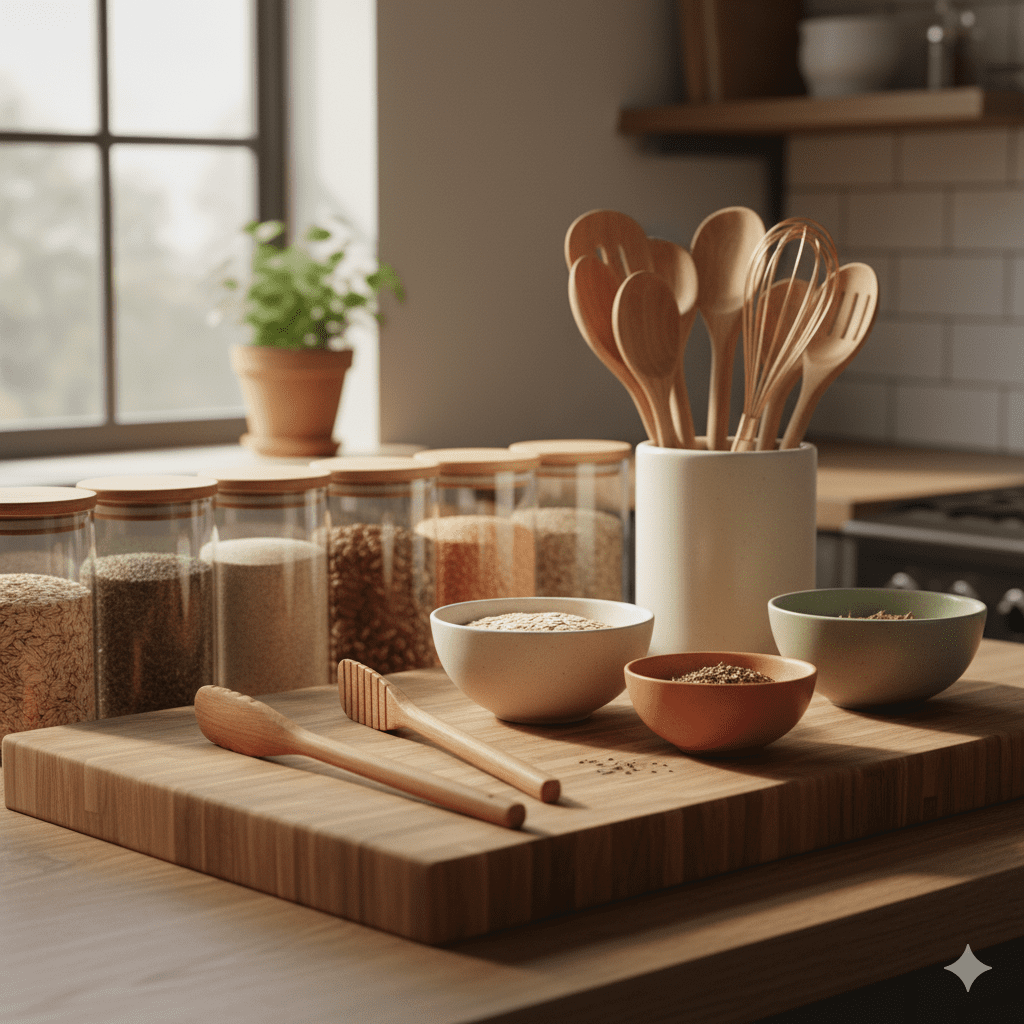
The journey to a plastic-free home begins with a simple recognition: every synthetic surface in your house represents a missed opportunity for beauty, health, and connection to the natural world. This isn’t about perfection or extremism – it’s about making thoughtful choices that honor both your wellbeing and the planet’s. Your living room sets the tone for your entire home. Imagine sinking into a sofa upholstered in organic linen rather than synthetic microfiber. The difference isn’t just aesthetic – natural fibers regulate temperature and humidity, creating comfort that synthetic materials struggle to match. A solid wood coffee table grounds the space with weight and presence that particle board composite can never achieve. The bedroom, your most intimate space, deserves particularly careful attention. Natural latex mattresses breathe with your body’s temperature fluctuations while organic cotton sheets soften with each wash rather than degrading. The wooden bed frame ages gracefully, developing character that synthetic alternatives can only simulate. Kitchen transformations often yield the most immediate health benefits. Glass storage containers eliminate concerns about chemical leaching while bamboo cutting boards are naturally antimicrobial. The tactile pleasure of wooden utensils connecting with ceramic bowls creates a sensory experience that plastic simply cannot provide. Bathrooms challenge us to rethink convenience culture. Bamboo accessories bring warmth to spaces typically dominated by cold synthetics, while organic cotton towels prove that luxury and sustainability aren’t mutually exclusive. The switch to solid soaps and shampoos eliminates dozens of plastic containers annually while often providing superior performance. Each room’s transformation builds momentum for the next. The visual coherence of natural materials creates flow throughout your home, while the cumulative health benefits of reduced chemical exposure become increasingly apparent. This isn’t just about eliminating plastic – it’s about creating spaces that actively contribute to your wellbeing.